
.webp)
The kidney disease of this kind can be termed as a "silent disease" because during the course of its development, a person does not have any symptoms until he/she gets affected in the kidneys.
It is extremely important for one to realize that the kidneys are vital organs in our body and do several functions. The kidneys help us maintain fluid balance, eliminate waste products from the body, regulate blood pressure, regulate electrolyte balance, produce bones, and help in hormone production necessary for red blood cell production. When kidneys get damaged, all these functions get affected, thus damaging other systems as well.
At Dialysis On Go, we believe early awareness can help protect kidney health. It is always worth remembering that there are no symptoms or signs of kidney disease in early stages. Remember there are no symptoms or signs of kidney disease in early stages.
Understanding Kidney Disease and Its Risk Factors
Kidney disease is one medical condition that occurs due to damage to the kidney's functioning. Kidney disease may affect anyone, but certain people have higher chances of suffering from kidney diseases than others.
Common risk factors are:
Diabetes
High blood pressure
Obesity
Heart disease
Smoking
A family history of kidney disease.
Older age
With few or no symptoms, regular health checks are particularly important for those who have the following risk factors.
1.Constantly feeling tired and weak mentally
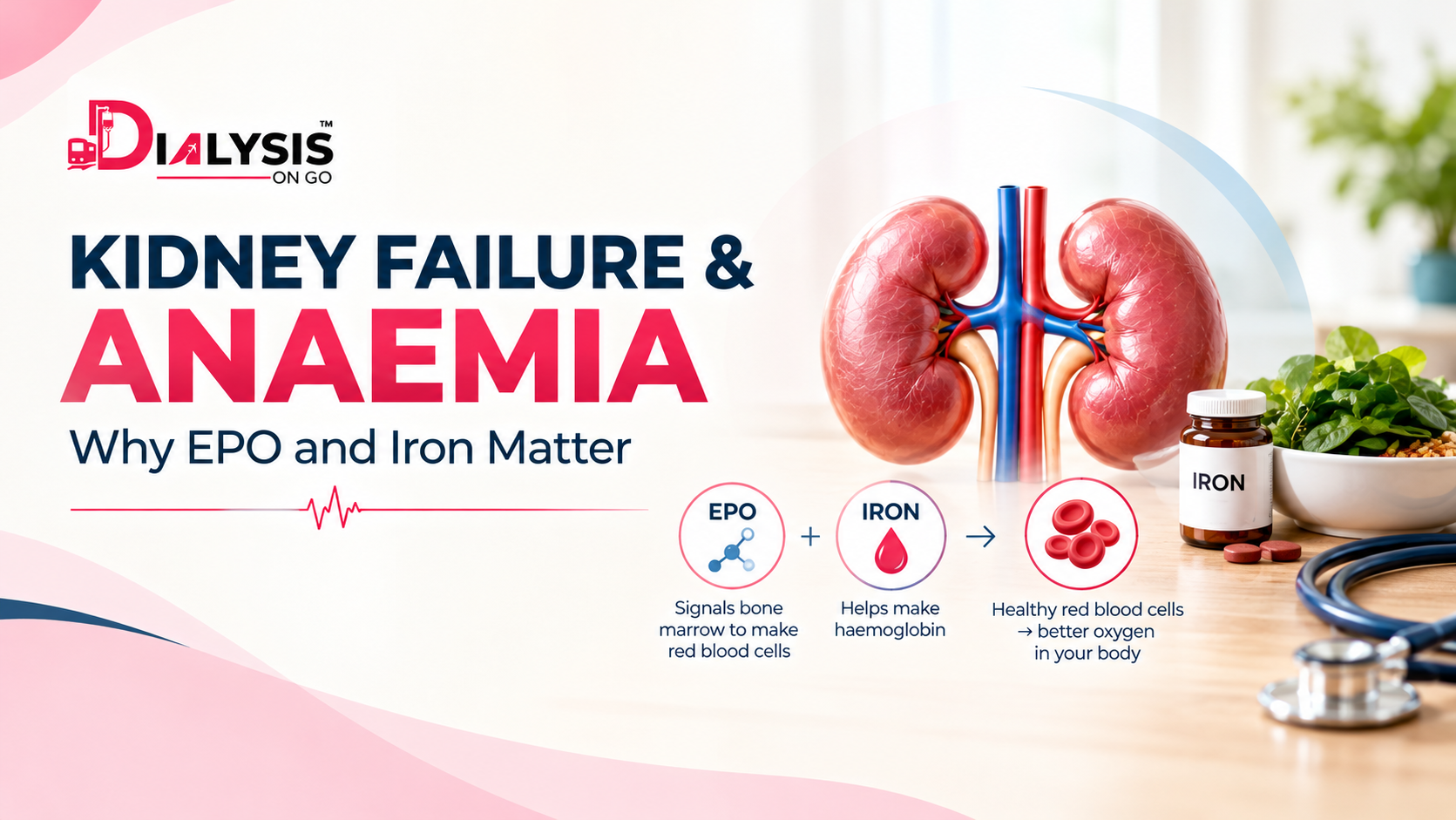
In case one feels himself/herself especially exhausted despite adequate rest, the cause may be malfunctioning of the kidney. The kidney is responsible for production of hormone called Erythropoietin (EPO), which induces formation of erythrocytes – oxygen carriers.
The kidneys do not perform their duties efficiently, hence producing insufficient amounts of the above mentioned hormone, resulting in anemia. Insufficient oxygen supply to the body causes chronic exhaustion, weakness, lack of concentration, etc.
While fatigue can have many causes, extreme fatigue is never something to ignore.
2. Bloated looking feet, ankles, hands, or face.
Edema (water retention) is one of the earliest and most visible symptoms of kidney disease.
Pumps with good kidneys rid the body of excess sodium and fluids. If they cannot do this job effectively, the fluid starts to build up in the tissues and will cause swelling to the feet, ankles, legs, hands or around the eyes.
If swelling lasts or is not understood, always have it checked by a health care provider – it could be a problem with kidney function or other health issues.
3. Alterations in Urination Patterns is a sign of trouble.
Since kidneys make urine, any alterations in urination can be one of the initial signs of kidney disease.
You may notice:
More frequent and excessive nocturnal urination
Reduced urine output
Urine that is dark, cloudy or abnormally coloured
Difficulty passing urine
A frequent need to urinate but little or no urine is passed
Forgetting these symptoms is a possibility with other infections or disorders, but any ongoing changes must not be ignored.
4. Blood in Urine or Excessive foam in the Urine
In normal kidneys, there are no losses of blood cells or protein in the urine. However, when the kidneys are injured, blood cells or protein can leak from the filters into the urine.
The symptoms of blood in urine can be recognized through the observation of a pink, red, or brown-colored urine. On the other hand, the symptoms of protein in the urine are identified through the observation of foamy urine.
It is necessary to investigate the symptoms immediately since the presence of symptoms may indicate kidney conditions or other diseases of the urinary tract.
5. Dry, Itchy Skin
The kidneys maintain the right amount of minerals in the body and remove the toxins from the blood. With worsening kidney failure, skin can become affected with a build-up of waste material and minerals.
Ringing, itching, or dryness which doesn't seem to go away could be a sign that the kidneys are no longer working properly to balance minerals and waste. While there are numerous causes of skin problems, it is important to watch these signs if they are present along with other signs and symptoms of kidney disease.
6. Persistent Nausea, Vomiting or Loss of Appetite
Kidney failure is when the waste materials build up in the blood stream causing uremia. As this accumulates, the digestive symptoms may become:
Nausea
Vomiting
Loss of appetite
A sour feeling in the mouth.
Weight loss
When urinary changes and some swelling occurs in addition to these symptoms, medical evaluation is recommended if the symptoms persist.
7. Muscle cramps & sleep disturbances
The presence of kidney disease may result in electrolyte imbalances in the body that contribute to muscle cramps becoming more common, specifically in the leg muscles.
A person suffering from chronic kidney disease may experience muscle cramps, RLS, nocturia (the need to urinate during sleep) and general discomfort, which may affect their sleep cycle.
Occasional muscle cramps can occur, but recurring cramps and other signs can be indicative of compromised kidney function.
In case you think you require medical assistance, then it would be better to consult a healthcare practitioner.
There are several symptoms associated with kidney disorders that mimic the symptoms of various other medical conditions and thus require a medical expert's opinion.
In case you have any of the following symptoms, then you need to visit your doctor:
Persistent swelling
Changes in urination
Blood or foam from the urine.
Ongoing fatigue
Nausea or vomiting, for which no cause can be found.
People with diabetes, hypertension, over body weight or family history of kidney failure should have periodic checks on their kidney health. The blood, urine tests, imaging and tests for kidney function may be performed to determine the underlying cause.
Conclusion
The disease in the kidney often progresses without any symptom at all, and hence it is essential that this condition is recognized and detected early. The presence of problems in the kidney could be identified even without leading to any damage to the kidney if the patient feels persistently tired, swelling, abnormal urination pattern, foamy urine or blood in urine, dry and itchy skin, digestive problems, and muscle cramps.
Dialysis On Go is committed to spreading awareness about early kidney disease detection. It will not only improve the health results but will also ensure prevention of complications and maintain the functioning of the kidneys.
.webp)
.webp)
प्रतिक्रिया
प्रतिक्रिया द्या